Most people do not think twice about scheduling a hearing test around how they are feeling that day, let alone what the weather has been doing.

But if you have ever noticed that your hearing feels a little off when your allergies are acting up, or that congestion from a cold seems to muffle everything around you, that is not just your imagination.

Weather-related changes in your body can have a real effect on how well you hear, and in a place like Sioux Falls, where the seasons swing hard and fast, that is worth knowing before you sit down for a test.

Sinus pressure and congestion can make sounds seem more muffled than usual, so you may not hear certain tones as clearly during a hearing test. Seasonal allergies can also cause temporary swelling in the ears that affects your hearing for a short time, even if your usual hearing levels have not changed.

None of this means you should avoid getting tested, but it does mean that the timing of your appointment and how you are feeling that day can influence your results in ways that are easy to miss if no one brings it up beforehand.

How Hearing Tests Work and Why a Quiet Room Matters

Hearing happens when sounds enter your ear and are picked up so your brain can make sense of them. It is a natural way to enjoy things like a quiet chat, music or the sounds of nature.

Since about 15% of adults in the country have some trouble hearing, these tests are a normal way to check on your health. This is why the room has to stay very still so that background noise does not block out the softest tones you can hear.

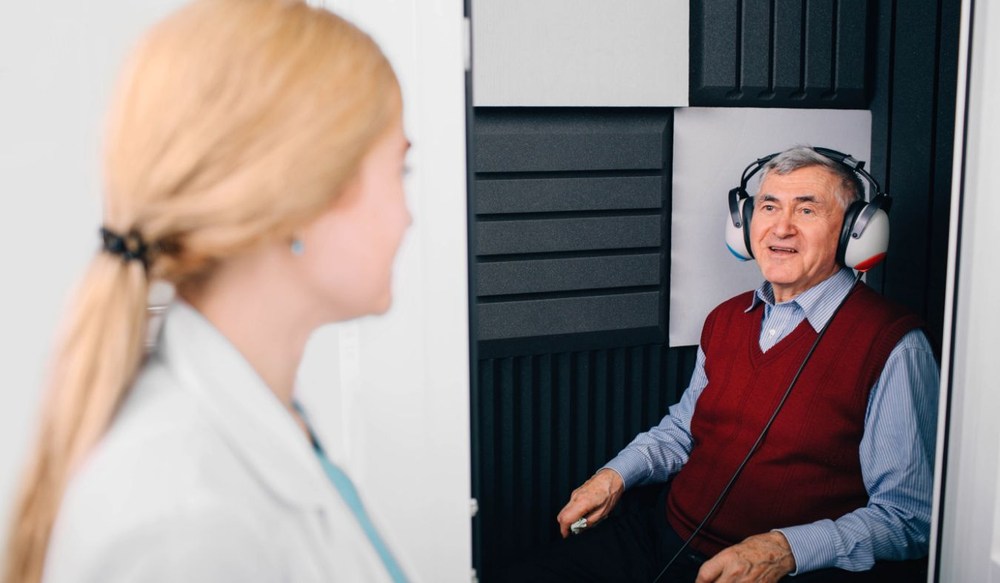
When you go in for a visit, you will wear headphones and listen for different tones to see which ones you notice. A comfortable room with a steady temperature helps you feel at ease while keeping the air inside your ears from changing.

If a room is too loud or the air is blowing too hard, it can be tough to get a true baseline for your hearing. Your specialist keeps the setting controlled and quiet to ensure your results are as accurate as possible.

Why Your Baseline Might Shift

It is common to wonder why your results might not be exactly what you expected when you walk into the office for a visit. A simple buildup of earwax is often the culprit because it creates a physical barrier that stops sound from traveling through the ear canal effectively.

Recent illness or a lingering sinus infection can also cause enough congestion to make everything sound a bit muffled for a few days. These are normal issues that your specialist can talk through with you while they look at the health of your ears.

Your daily habits and recent environment also play a significant role in how you respond to the tones during a test. If you were recently exposed to loud noise like power tools or a lawnmower, your ears may need more time to rest before you can get an accurate baseline.

Even certain medications can have a temporary impact on your ability to hear different pitches for a short while. Sharing these details with your provider helps them understand the situation behind the data and provides a more accurate look at your hearing health.

How Sioux Falls Weather Affects Your Hearing Results

Living in Sioux Falls means you are used to the weather changing at a moment’s notice. You might spend one day dealing with the heavy and humid air of a prairie summer before a dry cold front sweeps through the next morning.

These rapid shifts in the local climate can make your ears feel full or even a little clogged. It is a common experience for many people in South Dakota when the seasons start to transition quickly.

The sudden changes in barometric pressure and temperature cause the tissues in your ear to expand or contract. This physical reaction can sometimes get in the way of getting an accurate reading during a hearing checkup.

Your audiologist understands how these outdoor conditions affect your body and will work to account for them during your visit.

How Humidity and Air Pressure Affect Your Ears

Changes in the atmosphere do more than just dictate what you wear for the day. Your body often reacts to shifts in temperature and moisture, leading to things like headaches or joint stiffness.

This is especially true for your ears, which are sensitive to the environment around them and can feel muffled or full when the weather shifts suddenly. Local weather patterns influence your ear health in several specific ways:

  • Heavy humidity: Can make the ear canal feel full and may even soften earwax, causing it to shift.
  • Pressure drops: Rapid changes in air pressure, like those before a storm, can create a temporary vacuum effect behind the eardrum.
  • Dry spells: Can irritate the skin of the ear canal, potentially causing minor inflammation.
  • Cold snaps: Lower temperatures can restrict blood flow to the ears, which might make them feel stiff or sensitive.
  • High wind: Constant wind exposure can cause the ear to produce more wax as a protective measure, which might block sounds during a visit.

Managing Seasonal Allergies and Common Illnesses

Seasonal allergies often lead to stuffy noses and sinus pressure that can result in fluid buildup in the ear. This fluid acts as a physical barrier to sound waves trying to reach the inner ear.

When Eustachian tubes are swollen from pollen or a common cold, you are not hearing at your true potential. These temporary blockages can make it much harder to follow a conversation or hear clearly in a crowd.

Colds and flu happen more often when weather patterns start to shift and the seasons change. These illnesses cause congestion that puts extra pressure on the sensitive parts of the ear.

The resulting blockage often makes sounds seem muffled or quiet during your evaluation. Your audiologist will check for these temporary issues to see if they are the cause of any changes in your hearing.

How Seasonal Sounds and Background Noise Affect Your Listening Comfort

The world sounds very different depending on the time of year, and your brain has to work hard to keep up with these changes. These seasonal shifts play a major role in how much effort it takes to process the sounds around you:

  • Summer activity: Higher noise levels from yard work and outdoor events can leave you feeling drained after a long day of socializing.
  • Winter quiet: The silence of a snowy day can be a relief, but it may also make you more sensitive to small noises inside your home.
  • Spring transitions: Rising winds and rain can create unpredictable sounds that force your brain to constantly adjust its focus.
  • Autumn shifts: Falling leaves and more time spent indoors can change the way voices and music echo through a room.

Deciding When to Reschedule and How to Prepare for Your Visit

Sometimes your body tells you it is not the right time for an appointment.

If you find yourself reaching for tissues or decongestants due to a cold, your ears are likely dealing with temporary congestion. This pressure creates a physical barrier that stops you from hearing at your full potential during a checkup. It is a good idea to call your audiologist and move the date to a time when you feel better.

Preparing for your visit involves a few simple steps to help you get the most out of your time.

You should try to avoid loud noises like power tools or loud music for at least a full day before you come in. Mentioning any new medications or recent sinus issues helps the specialist better understand your results.

What to Know About Weather and Your Hearing Test

If you have been putting off a hearing test or are not sure whether right now is a good time to schedule one, it is always worth reaching out and talking it through.

Factors like where you are in allergy season or whether you have been dealing with sinus congestion lately are things we can factor in when helping you find the right time to come in.

A little context goes a long way toward making sure your results actually reflect how you hear on a normal day.

Baker Audiology and Hearing Aids in Sioux Falls is here to help you work through those questions and get an accurate picture of your hearing. Give us a call at (605) 610-3466 and we will help you figure out the best time to schedule your appointment.