

A New Chapter at Baker Audiology: Welcoming Dr. Libby Benson as Co-Owner
Baker Audiology & Hearing Aids is excited to share an important
By: Melissa Baker, M.A. | March 25, 2026
Winter has a way of testing a lot of things you rely on every day, and hearing aids are no exception.
Cold air, moisture from snow and sleet, and the constant shift between freezing temperatures outside and warm air indoors can all affect how your hearing aids perform.
For most people this catches them off guard the first time it happens, usually in the middle of a walk or right after coming inside, when something that was working fine a moment ago suddenly sounds different.
The good news is that cold weather does not have to mean disrupted hearing or scrambling to figure out what went wrong.
A little awareness goes a long way, and most of what helps is simple enough to work into your regular routine without much extra effort.
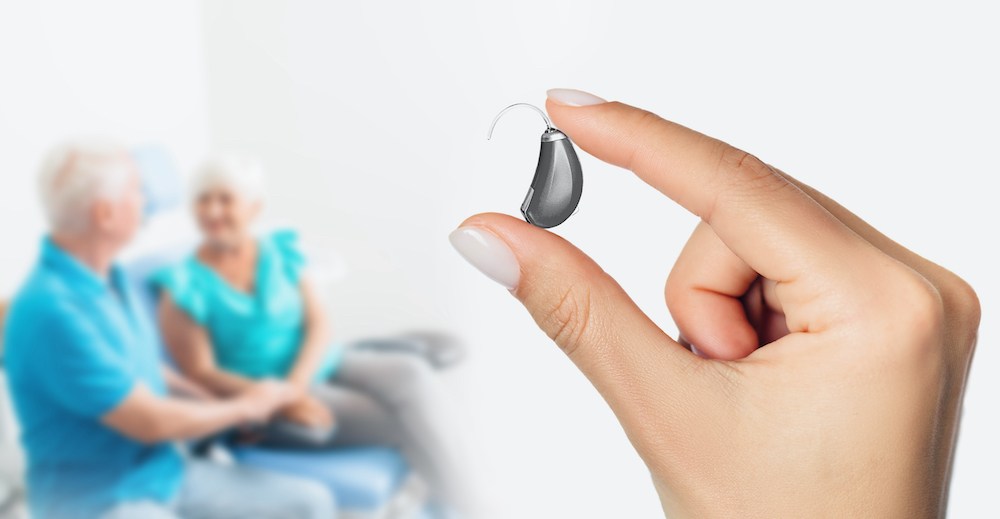
Hearing aids do more than turn up the volume on the world around you. A microphone picks up what is happening around you, but before any of that sound reaches your ear, a processor has already broken it down and made decisions about it.
What comes through is not a raw recording of your environment. It is a version of it that has been filtered, shaped and adjusted based on what the device determines you actually need to hear.
Digital hearing aids, which are the standard today, convert sound into a numerical signal that can be shaped and refined before it ever reaches your ear. This allows for a level of precision that older analog technology simply could not offer.
Different listening environments, a quiet room versus a busy street, require different settings, and most modern devices are smart enough to detect those shifts and respond to them automatically.
Cold temperatures affect the battery first and most noticeably. When the temperature drops, batteries drain faster than usual. A charge that normally gets you through the day comfortably might fall short when you are spending time outside in winter conditions.
This is true for both disposable and rechargeable hearing aids, and the effect can be significant enough to catch you off guard if you are not expecting it.
Moisture is the other major factor. Moving from cold outdoor air into a warm, heated space creates condensation and that moisture can work its way into the hearing aid and affect the microphone, receiver or internal components.
You might notice the sound cutting in and out, a muffled quality that was not there before, or the device not responding the way it normally does.
Repeated exposure to these temperature swings over the course of a winter can add up, so it is worth understanding what is happening inside the device when conditions change around it.
Winter does not cause the same problems for everyone, but there are a handful of issues that come up regularly once the temperature drops. Knowing what to look out for means you are less likely to be caught off guard when something feels off.
Here are some of the most common things people run into during the colder months:
Hearing aid batteries are sensitive to temperature changes. In cold weather, the chemical reactions inside the battery slow down, reducing their ability to produce power.
This means your batteries may drain faster, and your hearing aids might stop working sooner than expected.
Cold temperatures can also make it difficult for batteries to recover after use. If you notice your hearing aids losing power more often during winter, temperature is likely a key factor. Keeping spare batteries on hand and storing them at room temperature can help you avoid interruptions.
Snow and rain are obvious concerns, but moisture works its way into hearing aids in less obvious ways, too.
Sleet that catches the side of your face, a hat that traps warmth and creates sweat around your ears, or even just breathing cold air and then stepping into a heated space can all introduce enough moisture to cause problems. It does not take much.
The openings in a hearing aid, around the microphone ports, the battery door and the receiver, are all incredibly small, but they are not sealed against water the way you might assume.
When moisture gets in, the effects can range from annoying to pretty disruptive. Some people notice a muffled or slightly distorted sound that was not there before. Others find the device cutting in and out, or behaving inconsistently in ways that are hard to pin down at first.
A single wet afternoon may not cause lasting issues, but repeated exposure over a winter season can wear on the internal components in ways that show up later rather than immediately.
Condensation forms when warm air from your body meets the cold outdoor air. This moisture can collect inside your hearing aids, leading to weak sound or sudden shut-offs.
To help prevent condensation, remove your hearing aids when coming indoors from the cold and wipe them with a soft, dry cloth. Using a hearing aid dehumidifier overnight is also effective in reducing moisture.
If you notice static or changes in volume, allow your devices to dry completely before using them again. For behind-the-ear styles, remember to clean earmolds and tubing regularly during colder months.
Choosing winter accessories that work well with hearing aids makes a difference. Thick or tightly fitted hats and scarves can press against your devices, move them out of place or block microphones.
Look for hats that fit loosely around your ears or are made from softer materials. When wearing scarves, leave space around your ears and avoid covering the microphones. With a little attention to what you wear, you can stay warm without missing important sounds.
Bundling up for winter can make it tricky to wear hearing aids comfortably. Thick hats, scarves and jackets may shift your devices or cover microphones.
Try putting on your hearing aids after arranging your hat or scarf. Choose clothing with softer materials around the ears and avoid anything that fits too tightly over your hearing aids. These simple adjustments help reduce feedback and keep you comfortable in cold weather.
After spending time in cold or wet conditions, your hearing aids need extra care. Moisture and dirt can collect quickly and affect sound quality.
Follow these steps:
Drying kits and dehumidifiers provide added protection against moisture during winter. These tools pull water out of your devices overnight, helping prevent issues like static or weak sound.
You can choose between simple jars with drying tablets or electric dehumidifiers that use gentle heat or air movement. Both options remove trapped moisture from cold weather or temperature changes. Drying kits are also helpful for earmolds and tubing, not just the main device units.
Cold, dry air can affect tubing and domes on hearing aids. Temperature changes may cause these parts to become stiff, brittle or blocked.
Look for signs that tubing or domes need replacing:
Some winter hearing aid issues are minor enough to work through on your own, but others are worth a phone call.
If your devices are cutting out regularly, sounding consistently off or simply not performing the way they did before the cold set in, that is worth mentioning to your audiologist rather than waiting to see if things improve on their own.
The same goes for any physical changes, like a fit that suddenly feels different or discomfort that was not there before the temperature dropped.
Moisture damage in particular is something to address sooner rather than later. If your hearing aids got significantly wet and are not bouncing back after drying out, or if you are noticing sound quality issues that have lingered for more than a day or two, bring them in.
Catching a problem early usually means a simpler fix. Waiting tends to turn a simple issue into a more involved one, and no one wants to be without their hearing aids for longer than necessary in the middle of winter.
Your hearing aids are something you count on every day, and winter should not change that. The cold, the moisture, the back and forth between the elements and a warm indoors, none of it has to get in the way of how your devices perform if you know what to watch for.
A few simple habits built into your routine can make a real difference in how your hearing aids hold up from the first frost through the last cold snap of the season.
At Baker Audiology & Hearing Aids in Sioux Falls, SD, we work with people through every season and every kind of hearing aid issue that comes with them.
If something feels off this winter, or if you just want to make sure your devices are ready for the months ahead, give us a call at (605) 610-3466.
Tags: hearing aid basics, hearing aid repair, hearing aid styles

Baker Audiology & Hearing Aids is excited to share an important
By: Melissa Baker, M.A. | September 17, 2026
A summer cookout at Falls Park, falls roaring in the background, half the
By: Melissa Baker, M.A. | August 24, 2026

Most people do not think twice about scheduling a hearing test around how
By: Melissa Baker, M.A. | May 18, 2026